

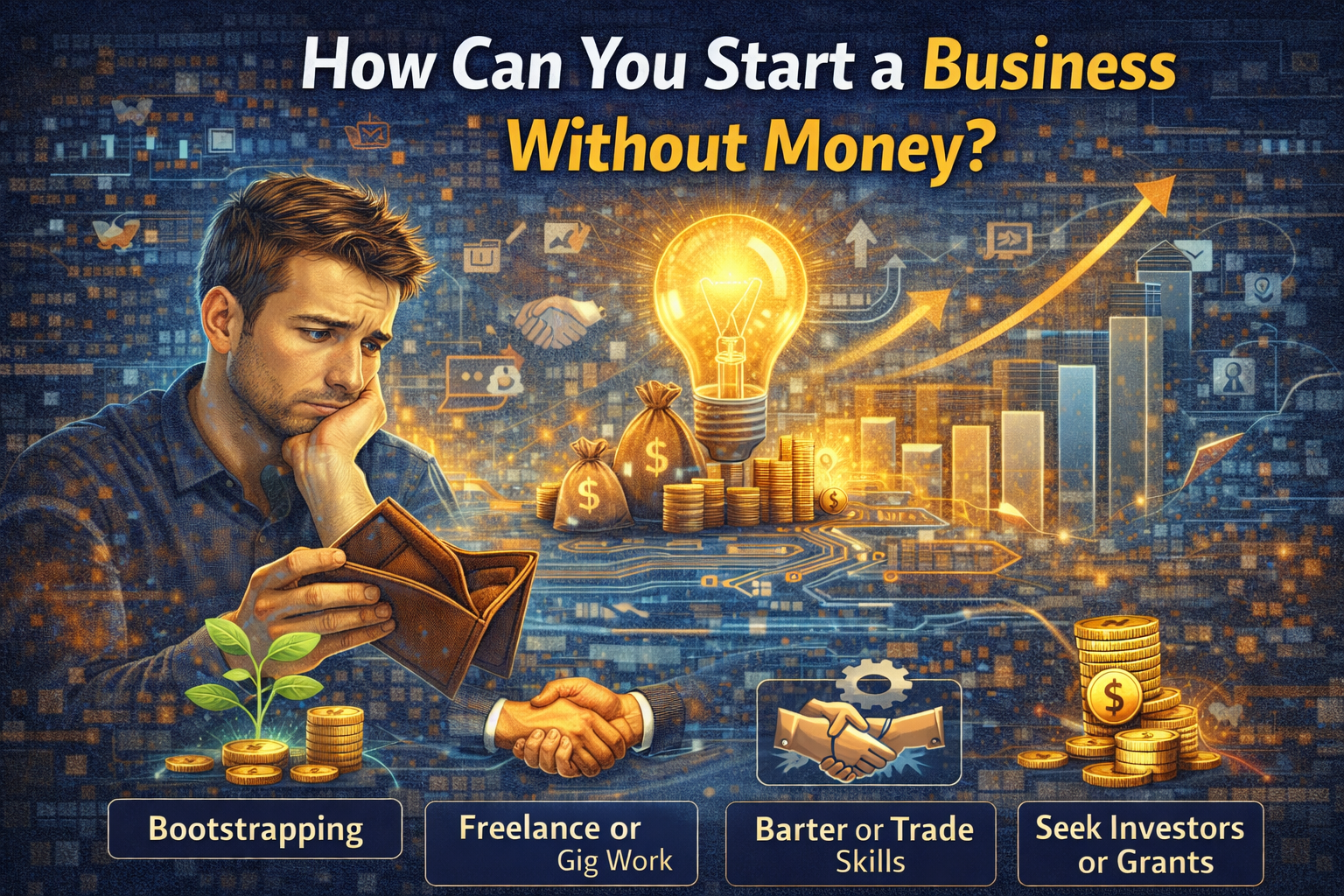
In a world increasingly driven by innovation and digital connectivity, the dream of entrepreneurship is more accessible than ever. Many aspiring business owners assume that a substantial capital investment is the first hurdle, but this simply isn’t always true. The question of “how can you start a business without money?” is not just hypothetical; it’s a blueprint for countless successful ventures launched by resourceful individuals. This comprehensive guide, tailored for 2026, will dismantle the myth that big money is a prerequisite for big ideas, offering practical strategies, actionable steps, and inspiring insights to help you launch your dream business with minimal to no upfront financial investment. 🚀
Key Takeaways
- Leverage Existing Skills: Your most valuable asset is often your expertise and services you can offer.
- Embrace Digital Tools: Utilize free and low-cost online platforms for marketing, sales, and operations.
- Start Lean and Validate: Begin with a Minimum Viable Product (MVP) or service to test demand and gather feedback quickly.
- Focus on Cash Flow: Prioritize generating revenue from day one and reinvesting profits to fuel growth.
- Network and Learn: Build connections and continuously educate yourself on market trends and entrepreneurial strategies.
The Mindset Shift: From Capital-Dependent to Resourceful Entrepreneur
Before diving into specific strategies, it’s crucial to adopt the right mindset. Starting a business without money isn’t about magic; it’s about extreme resourcefulness, creativity, and a willingness to invest time and effort—often referred to as sweat equity. In 2026, the digital landscape, coupled with a growing gig economy, provides unprecedented opportunities for “bootstrapping” your way to success [1].
Understanding Bootstrapping and Lean Startup Principles
Bootstrapping means funding your business through personal finances, initial sales, and retained earnings rather than external investors or loans. This approach forces financial discipline and encourages innovative problem-solving. Complementing this is the Lean Startup methodology, which advocates for building a Minimum Viable Product (MVP), releasing it quickly, and iterating based on customer feedback [2]. This drastically reduces the risk and capital required for initial launch.
How Can You Start a Business Without Money? Top Strategies for 2026
1. Leverage Your Skills and Offer Services
Perhaps the most straightforward way to start without money is to sell what you already have: your skills and knowledge. This is the foundation of many successful freelance and consulting businesses. What are you good at? What do people often ask for your help with?
- Freelance Writing/Editing: Websites like Upwork, Fiverr, and LinkedIn are brimming with opportunities for skilled writers.
- Graphic Design: If you have an eye for design, use free tools like Canva or GIMP to create logos, social media graphics, and marketing materials for clients.
- Web Development/Design: Basic coding knowledge or proficiency with platforms like WordPress can open doors.
- Social Media Management: Businesses constantly need help managing their online presence. Offer to grow their audience or run campaigns.
- Virtual Assistance: Provide administrative, technical, or creative assistance to clients remotely.
- Tutoring/Coaching: Share your expertise in academics, fitness, business, or life skills. Online platforms make this easy to scale.
- Pet Sitting/Dog Walking: A classic, low-overhead service business that relies on trust and local networking.
- Cleaning Services: Both residential and commercial cleaning can be started with minimal supplies and strong work ethic.
Actionable Tip: Start by offering your services to friends, family, or local businesses at an introductory rate to build a portfolio and testimonials. This social proof is invaluable for attracting paying clients.
2. Dropshipping and Affiliate Marketing
These models minimize inventory and marketing costs, making them ideal for a no-money start.
| Business Model | Description | Low-Cost Advantage | Example |
|---|---|---|---|
| Dropshipping | Sell products without holding any inventory. When a customer buys, you purchase the item from a third-party supplier who ships it directly to the customer. | No inventory costs, no warehousing, minimal shipping logistics. | Setting up an online store on Shopify (with a free trial) and integrating with Oberlo or AliExpress to sell trending gadgets. |
| Affiliate Marketing | Promote other companies’ products or services and earn a commission on every sale made through your unique affiliate link. | No product creation, no customer service, no inventory. Focus purely on marketing. | Creating a review blog or YouTube channel for tech products and linking to Amazon’s affiliate program. |
For dropshipping, you’ll need an e-commerce platform (many offer free trials or basic free plans) and a supplier. For affiliate marketing, a blog, social media presence, or YouTube channel is your primary asset. These can all be started for free or very low cost.
3. Content Creation and Monetization
If you enjoy creating, content can be monetized in several ways without direct sales of physical goods.
- Blogging: Start a blog on a free platform (e.g., WordPress.com, Blogger) about a niche you’re passionate about. Monetize through advertising (Google AdSense), affiliate links, or selling digital products later.
- YouTube Channel: Create videos around a topic you know well. Build an audience and monetize through ads, sponsorships, or selling merchandise/digital products.
- Podcasting: Share your insights through audio. Host on free platforms (e.g., Anchor.fm) and monetize with sponsorships or listener support.
- Social Media Influencing: Build a following on platforms like Instagram, TikTok, or LinkedIn by consistently sharing valuable content. Monetize through brand partnerships or affiliate marketing.
The capital required here is your time and creativity. The tools are often free (smartphone camera, basic editing software).
Related Posts:

4. Online Courses or Digital Products
Package your knowledge into a sellable digital format. This requires no inventory and can be delivered instantly.
- E-books: Write a non-fiction book on a specialized topic and sell it directly from your website or via platforms like Amazon Kindle Direct Publishing (which charges a fee only upon sale).
- Online Courses: If you’re an expert in something, create a course. Platforms like Teachable or Thinkific offer free plans to get started, taking a percentage of sales.
- Templates/Printables: Design useful digital templates (resumes, planners, social media graphics) and sell them on Etsy or your own simple website.
Remember: The initial investment is in your time and expertise, not physical goods. Marketing can be done through free social media channels and email lists.
5. Local, Hyper-Niche Services
Look around your local community for unmet needs that require minimal equipment.
- Handyman Services: If you’re skilled with repairs, offer services like minor home repairs, furniture assembly, or picture hanging.
- Yard Work/Landscaping: Basic lawn care, weeding, or planting can be started with existing tools.
- Mobile Car Detailing: Offer to clean and detail cars at the client’s home or office.
- Personal Shopping/Errand Running: For busy individuals, this can be a lifesaver.
These businesses often thrive on word-of-mouth referrals and local online groups (e.g., Nextdoor, local Facebook groups).
Essential Steps to Start a Business Without Money in 2026
1. Identify Your Niche and Validate Your Idea 🧐
Don’t just launch a business; launch a solution. What problem can you solve? Who needs that solution? Use these questions to identify your niche. Then, critically, validate your idea before you invest significant time.
- Market Research: Use free tools like Google Trends, Reddit, and social media groups to see what people are talking about and what problems they’re expressing.
- Competitor Analysis: See what existing solutions are out there. How can you be different or better?
- Talk to Potential Customers: Conduct informal interviews. Ask if they would pay for your solution. This is invaluable feedback.
Pro Tip: Focus on a very specific problem for a very specific group of people initially. It’s easier to serve a small, well-defined audience than a broad, diverse one when you have limited resources.
2. Craft a Lean Business Plan 📝
You don’t need a 50-page document for a bootstrap startup. A lean business plan focuses on the essentials:
- Problem: What problem do you solve?
- Solution: What is your product/service?
- Target Market: Who are your ideal customers?
- Value Proposition: Why should customers choose you?
- Marketing & Sales Strategy: How will you reach customers for free or cheap?
- Revenue Model: How will you make money?
- Key Resources: What skills, tools, and partners do you need? (Focus on what you already have or can get for free).
This simple framework keeps you focused and helps you articulate your vision.
3. Build Your Online Presence for Free (or Nearly Free) 🌐
In 2026, an online presence is non-negotiable, even for local businesses. Here’s how to do it without spending much:
- Social Media: Choose 1-2 platforms where your target audience hangs out (e.g., Instagram for visuals, LinkedIn for B2B, TikTok for youth) and post consistently. Engage with your audience.
- Google Business Profile: Essential for local services. List your business, hours, and services, and collect reviews. It’s free!
- Free Website Builders: Platforms like Google Sites, Carrd, or the free tiers of Wix/Squarespace allow you to create a professional-looking landing page or simple website.
- Email Marketing: Start collecting email addresses from day one. Free tiers of Mailchimp or Brevo (formerly Sendinblue) are perfect for beginners.
4. Secure Your First Customers and Generate Revenue 💰
This is where the rubber meets the road. Your first sales are crucial for validating your idea and providing initial capital.
- Offer Introductory Rates: Attract early adopters with a special launch price.
- Ask for Testimonials: Positive reviews are your best marketing. Ask satisfied customers to provide feedback you can use.
- Network Aggressively: Attend local events, join online communities, and tell everyone you know about your business.
- Pre-sell: For products, consider taking pre-orders. For services, offer a consultation and close the deal.
The goal is to generate cash flow as quickly as possible, allowing you to reinvest profits back into the business.
5. Reinvest Profits and Scale Incrementally 📈
Once you start making money, resist the urge to spend it all. Reinvest a portion of your profits strategically:
- Better Tools: Upgrade from free tools to paid versions that offer more features and efficiency.
- Targeted Advertising: A small budget for social media ads can bring significant returns once you know your audience.
- Outsource Minor Tasks: As your time becomes more valuable, consider hiring a freelancer for tasks that drain your energy (e.g., specific graphic design, virtual assistance).
- Education: Invest in online courses or books to refine your skills or learn new ones relevant to your business.
This incremental growth strategy, powered by your own revenue, is the essence of sustainable bootstrapping.
Common Pitfalls to Avoid When Starting Without Money
- Trying to Do Everything Alone: While bootstrapping emphasizes self-reliance, seek advice from mentors, join entrepreneur communities, and don’t be afraid to ask for help or feedback.
- Neglecting Legalities: Even without capital, understand basic business registration, tax obligations, and any necessary licenses or permits in your area. Many resources exist for free or low cost [3].
- Undervalued Services: Don’t undercharge just because you’re starting without money. Value your time and expertise appropriately, even if you offer introductory discounts.
- Lack of Marketing: A great product or service is useless if no one knows about it. Dedicate consistent effort to free marketing channels.
- Giving Up Too Soon: Entrepreneurship is a marathon, not a sprint. There will be challenges. Persistence and adaptability are key.
Frequently Asked Questions: How Can You Start a Business Without Money?
Defined Terms for Resourceful Entrepreneurship
Conclusion: Your Journey to Frugal Entrepreneurship Begins Now
The question of “how can you start a business without money?” is not a barrier but a powerful catalyst for innovation. In 2026, the digital age has democratized entrepreneurship, placing tools, platforms, and knowledge within reach of anyone with an internet connection and a burning desire to create. Your existing skills, passion, and time are the most valuable capital you possess. By adopting a lean, resourceful mindset, validating your ideas rigorously, leveraging free digital channels, and focusing on generating early revenue, you can transform a compelling idea into a thriving business.
Don’t let the absence of a large bankroll deter you. Instead, let it ignite your creativity and sharpen your strategic thinking. Start small, serve your first customers exceptionally well, and allow your profits to fuel your growth. The entrepreneurial journey is challenging, but it is also incredibly rewarding. Take the first step today – identify a problem you can solve, build a simple solution, and start connecting with those who need it. Your zero-budget business adventure awaits!
Business analytics unlocking data also becomes relevant when this topic is compared with nearby questions around can start business.
References
- [1] Blank, S. (2012). The Startup Owner’s Manual: The Step-By-Step Guide for Building a Great Company. K & S Ranch.
- [2] Ries, E. (2011). The Lean Startup: How Today’s Entrepreneurs Use Continuous Innovation to Create Radically Successful Businesses. Crown Business.