
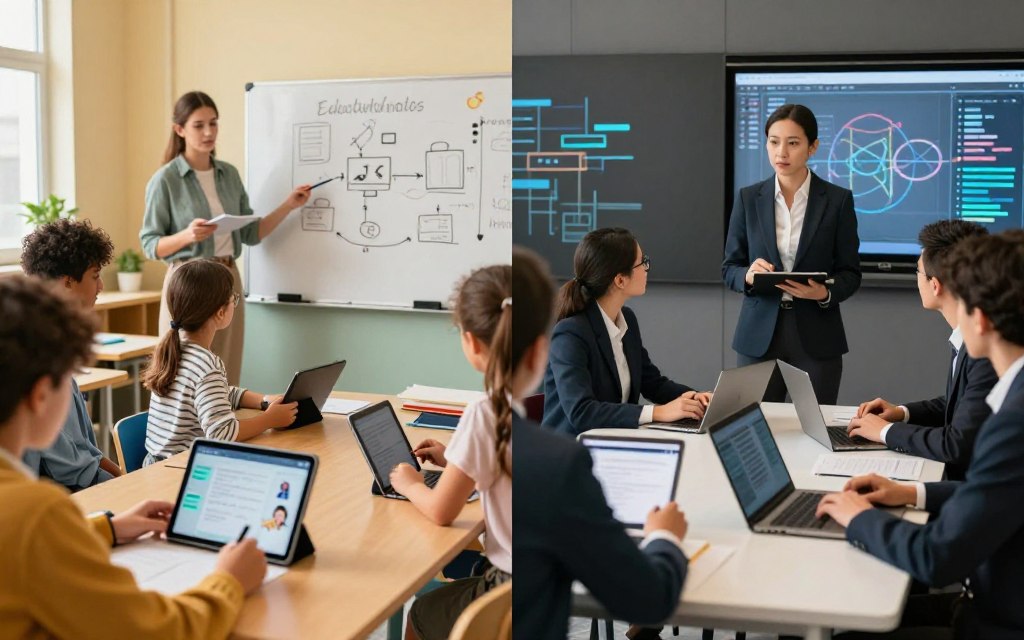
Understanding what is educational technology and instructional technology helps people navigate today’s rapidly changing learning environments. Though similar, these terms describe different ways technology supports education. Educational technology covers teaching, learning, administration, and access across educational systems.
Instructional technology, on the other hand, centers on designing, delivering, and evaluating instructional materials and experiences. This focus marks the difference between educational technology vs instructional technology. It shapes how educators and students use learning tools and methods.
This article examines definitions, historical contexts, goals, tools, and educator responsibilities in both fields. These comparisons clarify why the distinction matters to teachers, school leaders, instructional designers, and students. Recognizing this difference helps each group choose and use technology with purpose.
Key Takeaways
- Educational technology is a broad field impacting various aspects of education.
- Instructional technology is focused on specific instructional design and delivery.
- Understanding the difference enhances effective teaching and learning strategies.
- Both fields contribute to improved educational outcomes.
- Awareness of these distinctions aids in selecting appropriate tools and methods.
What Is Educational Technology and Instructional Technology: A Foundational Overview
An educational technology definition describes the systematic use of technological tools, processes, resources, and systems to support education. An instructional technology definition focuses on improving instruction through analysis, design, development, implementation, and evaluation.
Both fields use various tools, including learning management systems, digital content, multimedia resources, assessment platforms, and accessibility tools. They also use artificial intelligence.
Why the Distinction Matters in Modern Education
Knowing the difference between these disciplines matters in today’s educational landscape. It helps schools assign duties, assess technology investments, and design professional development for specific needs. Understanding these differences helps educators connect technology tools to learning goals and enhance the educational experience.
Common Misconceptions About Both Terms
Some people think educational technology only means using devices in the classroom. In fact, it includes many tools and methods that aim to improve educational outcomes.
Others think instructional technology only applies to online courses. It also supports many settings, including traditional classrooms. Many people also confuse both fields with computer science and overlook pedagogy, learner needs, and instructional objectives.
Effective technology use depends on data privacy, accessibility, and evidence of impact. Correcting these myths helps educators use technology in education more effectively.
Related Posts:
- How Technology Drives Economic Growth, Productivity,…

- What Are the Benefits of Modern Technology Key Advantages

- Unveiling What is IQ.Drive Technology? Your…
- How Technology Has Impacted Culture Shaping Modern Societies

- How Does VR Technology Work Immersive Experiences Explained
- What are the Front End Technologies in Java? Your…

For more insights into educational technology, explore this resource. Learn about the benefits of modern technology in education at this link.
Defining Educational Technology in Depth
The educational technology definition links technology and teaching to better educational outcomes. This interdisciplinary field combines tools and methods to improve learning experiences and educational practices. Understanding these parts helps educators and institutions choose effective educational technology solutions.
Core Components of Educational Technology
Educational technology has four core areas: hardware, software, infrastructure, and practices. Each area shapes how educators use learning technology in educational settings.
| Component | Description | Examples |
|---|---|---|
| Hardware | Physical devices used in learning environments. | Laptops, tablets, interactive displays, assistive devices |
| Software | Applications that facilitate learning and management. | Learning management systems, digital textbooks, assessment platforms |
| Infrastructure | Support systems for technology use. | Broadband, networks, cybersecurity, technical support |
| Practices | Methods and strategies for effective technology integration. | Digital citizenship, data-informed decision-making, accessibility planning |
The Broader Scope of EdTech in Society
EdTech reaches beyond traditional classrooms into libraries, workforce training, and online universities. It supports formal, informal, synchronous, and asynchronous learning. Its definition rests on intentional use, improving access, participation, quality, and outcomes, rather than specific devices or platforms.
By bringing educators, students, and communities together, educational technology can reshape learning. It can make education more accessible and effective for everyone.
Defining Instructional Technology in Depth
Instructional technology creates effective learning experiences through careful design and use. It includes methods and tools that improve education. Understanding the instructional technology definition and instructional design can help educators improve student outcomes.
Core Components of Instructional Technology
At the heart of instructional technology lies a structured approach to design and implementation. Key components include:
- Learner and Context Analysis: Understanding the audience and the environment in which learning occurs is crucial.
- Needs Assessment: Identifying gaps in knowledge or skills helps tailor the instructional approach.
- Learning Objectives: Clearly defined goals guide the entire instructional process.
- Content Sequencing: Organizing material logically ensures a smooth learning experience.
- Media Selection: Choosing appropriate technologies enhances engagement and comprehension.
- Activity Design: Interactive and practical activities promote deeper understanding.
- Assessment Development: Evaluating learner progress is essential for refining instruction.
- Implementation: Effective delivery of the instructional plan is critical.
- Learner Support: Providing resources and assistance fosters a positive learning environment.
- Evaluation: Continuous assessment of both learners and instructional effectiveness ensures ongoing improvement.
Instructional technologists and designers use these components to create many educational materials. Examples include online modules, blended lessons, simulations, and video-based instruction. The goal is to provide accessible digital materials for diverse learner needs.
The Focused Scope of Instructional Design
Instructional design plans and guides how instruction is delivered. It helps learners reach clear outcomes through targeted strategies. Unlike the broader educational technology ecosystem, it examines the details of teaching and learning.
ADDIE, backward design, and Universal Design for Learning guide instructional design and instructional systems design. These models should guide decisions, not act as strict rules. Professional judgment remains essential.
Formative evaluation, usability testing, and feedback help refine instructional materials. Instructional technology is not merely digital content. It intentionally aligns instructional technology tools, teaching methods, learner traits, content, activities, and assessment.
Historical Evolution of Both Disciplines
The history of educational technology and instructional technology includes major milestones. Their changes show how both fields met education’s changing needs.
Origins and Milestones of Educational Technology
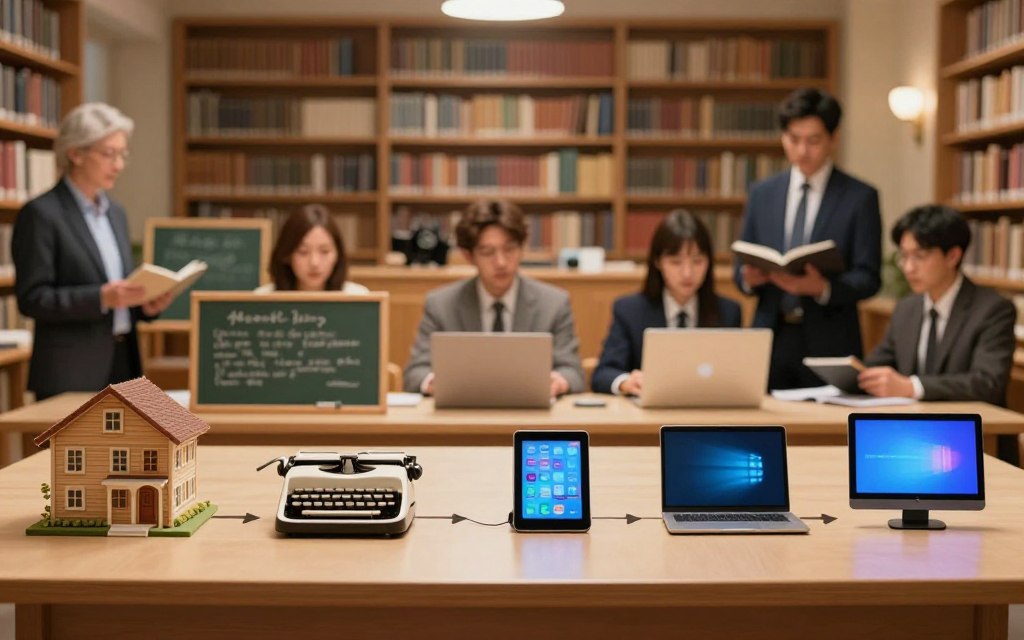
The history of educational technology began in the early 20th century. It used instructional media, such as educational films and radio broadcasts. These tools made lessons more engaging.
As technology advanced, classrooms added television and language laboratories. Personal computers arrived in the 1980s and marked a major turning point. Computer-assisted instruction then supported personalized learning.
The internet further changed educational technology. It opened access to multimedia learning and online resources.
In the 2000s, mobile devices and cloud platforms made education more accessible. Today, AI-enabled tools lead teaching and learning with innovative solutions.
Origins and Milestones of Instructional Technology
The history of instructional technology began with visual instruction and programmed learning. These approaches created structured learning environments. Military and industrial training programs also shaped the evolution of instructional design.
In the late 20th century, behaviorist objectives and systems approaches became common. This period stressed careful planning and evaluation of instruction. Instructional design models improved learning through structured methods.
Computer-based training and e-learning expanded instructional technology’s reach. Learning experience design became important for engaging and effective learning. Both fields share history, but their scope and goals differ.
The evolution of EdTech and instructional design history reflects changing educational needs. Today, both fields value access, learner agency, and evidence-based design.
Core Goals and Objectives Compared
Educational technology goals and instructional technology goals guide effective learning. These aims help educators design better experiences for students. Each field has unique objectives, but both seek stronger education.
Primary Goals of Educational Technology
Educational technology expands access to learning opportunities. It supports inclusive, flexible settings and improves communication and collaboration among students and educators. It also strengthens institutions and enables personalized learning.
Educational technology also supports educators in their teaching roles. It promotes responsible technology use and strengthens the educational system. This work encourages continuous improvement and student-centered learning.
Primary Goals of Instructional Technology
Instructional technology focuses on analyzing learning or performance needs. This process creates measurable learning objectives that align instruction with desired outcomes. It also designs effective instruction for knowledge and skill development.
Reducing unnecessary cognitive load is another key goal. This helps learners focus on meaningful practice and check their understanding. Instructional technology helps shape effective educational experiences.
Where the Two Disciplines Overlap
Both fields seek better learning experiences through technology-enhanced learning. They support learner engagement, resource access, effective assessment, and timely feedback. Continuous improvement remains a shared goal for education.
In practice, an educational technology leader may select and implement a platform. An instructional technologist decides how it supports specific learning experiences. Technology decisions must align with curriculum standards, learner characteristics, and institutional goals, rather than novelty alone.
Key Tools, Platforms, and Methods
Understanding key education tools and platforms helps teachers use modern teaching methods. Educational technology tools and instructional technology tools improve learning, communication, and support for different student needs. Classroom technology also supports varied learning styles.
Popular Educational Technology Tools in U.S. Schools
U.S. schools use many educational technology tools to increase student engagement and improve learning outcomes. Recognized platforms include:
- Google Classroom: A widely used learning management system that simplifies assignment distribution and feedback.
- Canvas: A robust platform that supports course management and offers a user-friendly interface.
- Schoology: Combines a learning management system with social networking features for enhanced collaboration.
- Microsoft Teams for Education: Facilitates communication and collaboration among students and teachers.
- Zoom: A video conferencing tool that enables remote learning and virtual classrooms.
These tools create more interactive learning environments. They support digital curriculum, online assessments, and adaptive learning through digital learning platforms.
Popular Instructional Technology Tools in U.S. Schools
Instructional technology tools help teachers create, deliver, and assess educational content. Popular choices include:
- Nearpod: An interactive lesson platform that allows teachers to create engaging lessons.
- Quizlet: A tool for creating study sets and quizzes to reinforce learning.
- Rubrics and Analytics Dashboards: These help educators assess student performance and adjust instruction accordingly.
- Screen Recording Tools: Useful for creating instructional videos and tutorials.
These tools help educators tailor instruction to student needs and learning objectives. Classroom technology can support this work in daily lessons.
Examples in K-12 Classrooms
In K-12 classrooms, blended lessons combine traditional teaching with technology. Teachers may use interactive practice tools for formative checks and differentiated resources for different learning levels. Virtual field trips and educational games engage students in a fun way.
Examples in Higher Education Institutions
Higher education institutions use technology to improve learning. Course shells in a learning management system organize content, while lecture capture tools let students revisit lectures. Simulations and virtual labs provide hands-on learning in controlled settings and build deeper understanding.
A platform becomes instructional technology when its features connect clearly to learning outcomes and learner support. Schools and institutions must assess privacy, accessibility, cost, interoperability, and instructional value. These checks help ensure the tools meet educational goals.
The Role of Educators and Instructors
Educators do more than use technology; they help design learning environments. Their work supports effective technology integration in education. This section examines teachers and educational technology, plus instructors and instructional technology.
Teacher Responsibilities in Educational Technology
K-12 teachers shape how technology improves learning. They identify learner needs and choose age-appropriate resources. They connect these tools to curriculum standards and educational goals.
Teachers build routines that support digital pedagogy. They teach digital citizenship and show students how to use technology ethically. They protect student privacy by using best practices in data management.
Educator technology skills help teachers provide alternatives, so all students can engage with the material. They monitor engagement and assess whether technology genuinely improves participation or learning outcomes. They discuss technology use with families to build a collaborative learning environment.
Instructor Responsibilities in Instructional Technology
In higher education and professional training, instructors and instructional technology work together. Instructors turn course outcomes into well-designed learning experiences. They select suitable media and organize content effectively.
Instructors create practice and feedback opportunities for varied learners. They often work with instructional designers, learning engineers, and media specialists to improve learning.
Professional judgment guides how instructors interpret analytics and respond to learner feedback. They balance automation with human interaction. This approach lets technology strengthen relationships and support learner agency.
| Responsibilities | Teachers | Instructors |
|---|---|---|
| Identify Learner Needs | ✔️ | ✔️ |
| Select Resources | ✔️ | ✔️ |
| Teach Digital Citizenship | ✔️ | ❌ |
| Monitor Engagement | ✔️ | ✔️ |
| Evaluate Performance Data | ❌ | ✔️ |
Impact on Student Learning Outcomes
Research on educational technology and student outcomes is an important part of education today. Research on instructional technology and student outcomes also examines measurable results. These results matter more than simple usage statistics.
Measurable Benefits of Educational Technology
Educational technology can increase student engagement and improve learning outcomes. Key measurable benefits include:
- Improved Access: Students gain better access to course materials, which facilitates learning anytime and anywhere.
- Increased Participation: Blended and remote learning environments often lead to higher student participation rates.
- Faster Communication: Technology enables quicker feedback between teachers and students, enhancing the learning process.
- Stronger Collaboration: Tools like discussion forums and group projects foster teamwork and communication skills.
- Greater Accessibility: Technology helps accommodate diverse learning needs, ensuring all students can participate.
Measurable Benefits of Instructional Technology
Instructional technology improves teaching quality and can strengthen mastery of learning objectives. Its measurable benefits include:
- Timely Feedback: Students receive feedback on their performance more quickly, allowing for immediate adjustments in learning strategies.
- Authentic Task Performance: Technology supports real-world tasks that improve retention and application of knowledge.
- Reduced Time to Competency: Well-designed instructional technology can accelerate the learning process.
- Better Knowledge Transfer: Instructional technology aids in applying learned concepts to new situations.
Educators can measure these effects with pre-assessments, post-assessments, rubrics, and learner work samples. Formative assessment technology can support this review. Observations and surveys also reveal student engagement and understanding.
Time spent on platforms measures activity, but it does not prove comprehension.
Educators should separate results to identify achievement gaps. This analysis helps technology support personalized learning for students with disabilities, multilingual students, and rural students with limited connectivity.
| Outcome Indicator | Educational Technology | Instructional Technology |
|---|---|---|
| Access to Materials | Enhanced | Standardized |
| Student Participation | Increased | Varied |
| Feedback Speed | Faster | Timely |
| Knowledge Retention | Improved | Enhanced |
| Collaboration Skills | Stronger | Developed |
Integration Strategies for Modern Classrooms
Educational technology integration can transform modern classrooms into dynamic learning environments. Instructional technology integration works best when educators focus on learner needs and clear outcomes. Together, these approaches create a complete learning experience that supports student engagement and growth.
Start with a thorough technology and infrastructure audit. This audit reveals available tools, resources, and gaps that schools must address. Choose tools that solve specific instructional problems and serve a clear educational purpose.
Best Practices for Combining Both Approaches
When combining educational and instructional technology, use these technology integration strategies:
- Design accessible learning experiences: Use frameworks like Universal Design for Learning (UDL) to ensure all students can participate.
- Implement backward design: Start with the end goals in mind and plan lessons that lead students toward those outcomes.
- Utilize active learning: Engage students through collaborative activities and technology that fosters interaction.
- Incorporate meaningful formative assessments: Use assessments that provide insights into student learning and inform instructional adjustments.
- Prioritize data privacy: Ensure that any technology used complies with data protection regulations.
- Offer offline or low-bandwidth alternatives: This is especially important for students in areas with limited internet access.
These practices improve learning and build a supportive setting where students can thrive. These blended learning best practices create richer experiences through educational technology and instructional design.
Professional Development Considerations for Teachers
Teacher professional development helps teachers integrate technology effectively in their classrooms. Schools should offer continuous training instead of relying on one-time workshops. Training should include:
- Hands-on practice with new tools and technologies.
- Model lessons that demonstrate effective integration strategies.
- Opportunities for peer collaboration and coaching.
- Support in troubleshooting and addressing technical issues.
- Focus on digital citizenship and data interpretation.
Leadership support is also critical. Administrators should protect planning time, provide specialist access, and create clear policies and feedback loops. Successful integration is a change-management process requiring commitment and evaluation of educator experiences and student outcomes.
“The future of education is not about technology, but about how we use technology to enhance learning.”
Challenges, Limitations, and Future Trends
Technology in education brings obstacles and new ideas that shape its future. Understanding these educational technology challenges and trends supports effective implementation.
Common Barriers to Implementation
Despite its promise, educational technology faces several barriers. These instructional technology challenges include:
- Unequal Broadband and Device Access: Many students lack reliable internet and devices, exacerbating the digital divide.
- Inadequate Technical Support: Schools often struggle with insufficient technical assistance, limiting the effective use of technology.
- Competing Platforms: The variety of tools can confuse educators, leading to inconsistent use.
- Limited Teacher Preparation Time: Educators often have little time to learn new technologies, impacting their effectiveness.
- Privacy and Cybersecurity Risks: Concerns about data security can hinder the adoption of new tools.
Screen fatigue, distraction, and algorithmic bias create more challenges. They can cause too much reliance on technology and replace human interaction with automation.
Emerging Trends Shaping Both Fields
Several trends, including AI in education, are reshaping educational and instructional technology. They will influence the future of educational technology.
| Trend | Description | Potential Impact |
|---|---|---|
| AI in Education | Utilizing AI for personalized learning experiences and tutoring. | Improved student engagement and tailored learning paths. |
| Adaptive Learning | Learning systems that adjust to individual student needs. | Enhanced learning outcomes through customized content. |
| Immersive Simulations | Use of virtual and augmented reality in learning. | Increased engagement and practical skill development. |
Future adoption should use human oversight, clear data practices, and bias testing to support fair access. Technology should solve real learning problems, not become the goal itself.
Conclusion
Understanding the difference between educational technology vs instructional technology helps educators and institutions use effective technology integration. Educational technology covers tools and strategies for learning, while instructional technology targets effective lesson design and delivery. This distinction matters when schools apply technology in classrooms.
As we consider the future of instructional technology, both fields must work together. Successful learning environments do not choose one approach alone. They create a cohesive system that uses both fields’ strengths, making lessons engaging, purposeful, and measurable.
Educators should begin by identifying learner needs and desired outcomes. Technology should match these goals, and educators need training to use it well. Schools should prioritize privacy and accessibility to foster an inclusive learning environment.
Schools can improve learning by reviewing results with meaningful evidence. This process can further enhance the learning experience.
Knowing what is educational technology and instructional technology helps educators create effective learning experiences. Thoughtful implementation, rather than the latest device, will be key to successful technology-enhanced education.
 Marcin Wieclaw