

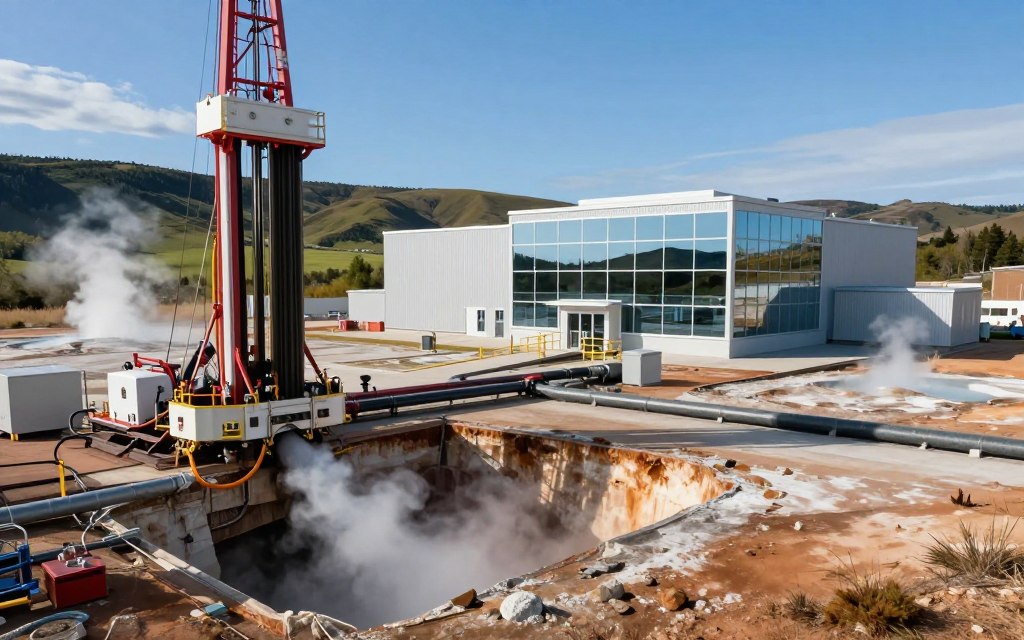
Geothermal energy uses the Earth’s internal heat for heating, cooling, and electricity. It is a renewable energy source with two main systems: geothermal power plants and geothermal heat pumps. Power plants turn underground heat into electricity, while heat pumps use steady underground temperatures to control building climates.
People often ask, how does geothermal technology work? Heat builds inside Earth and forms underground reservoirs. Production wells draw out this heat, which becomes steam or hot water.
Steam drives turbines or compressors to generate electricity, and workers often reinject leftover heat underground for sustainability.
In the United States, geothermal energy reliably complements intermittent wind and solar power. As a low-carbon solution, it can help reduce greenhouse gas emissions. Project success depends on resource quality, drilling depth, local geology, and environmental management.
Key Takeaways
- Geothermal energy harnesses heat from beneath the Earth’s surface.
- Power plants and heat pumps are the two main systems used.
- The process involves extracting heat, generating steam, and producing electricity.
- This energy source complements other renewable options like wind and solar.
- Project success depends on various geological and environmental factors.
1. The Science Behind Geothermal Energy
Geothermal science explores Earth’s internal heat and the geological processes formed over millions of years. This heat powers geothermal energy. Understanding these processes helps us use geothermal energy effectively.
Understanding Earth’s Internal Heat
The internal heat of the Earth has three main sources. They include leftover heat from formation, radioactive decay, and thermal energy in the mantle and core. As you go deeper, temperatures usually rise, a pattern called the geothermal gradient.
The Role of Tectonic Plates and Hotspots
Tectonic plates strongly affect where geothermal energy appears. Plate boundaries, volcanic zones, and hotspots often contain high-temperature geothermal reservoirs.
Active or recently active volcanoes can provide shallow, high-temperature resources. Other sites may offer lower-temperature resources for direct heating or heat pumps.
Measuring Geothermal Gradients
Scientists measure the geothermal gradient to find possible geothermal reservoirs. The geothermal gradient shows how temperature changes with depth. A high gradient often signals a more economical resource.
Related Posts:
- How Technology Drives Economic Growth, Productivity,…

- How Technology Changed World War I: Weapons,…

- Educational vs. Instructional Technology: What’s the…

- Which Cars Have the Most Advanced Technology?…

- What are the Front End Technologies in Java? Your…

- How Does VR Technology Work Immersive Experiences Explained

Scientists study surface geology, temperature measurements, geochemical sampling, seismic data, and magnetic surveys to assess geothermal potential.
| Method | Description | Application |
|---|---|---|
| Surface Geology | Analyzing surface features to infer subsurface conditions. | Identifying potential geothermal sites. |
| Temperature Measurements | Recording temperature at various depths. | Determining geothermal gradients. |
| Geochemical Sampling | Studying fluid chemistry to assess reservoir characteristics. | Understanding resource viability. |
| Seismic Data | Using seismic waves to map subsurface structures. | Locating geothermal reservoirs. |
| Magnetic Surveys | Measuring magnetic fields to infer geological formations. | Identifying areas of interest for drilling. |
Geothermal energy is not spread evenly across the planet. Underground rock, water, permeability, and temperature determine the best technology for using it. Understanding these geological foundations helps us use geothermal energy as a sustainable resource.
For more detailed insights into geothermal power, visit this resource.
2. How Does Geothermal Technology Work: From Earth’s Core to Power Plants
Geothermal technology shows how Earth’s heat can support sustainable energy. Heat comes from radioactive decay and leftover heat from the planet’s formation. People harness this internal heat through several methods for geothermal electricity generation.
The Energy Conversion Process
Production wells reach hot water or steam in underground reservoirs. The type of geothermal power plant controls this energy conversion. Some plants send dry steam directly to a turbine; others flash hot water into steam by reducing pressure.
Other plants transfer heat to a secondary working fluid in a binary cycle system.
Steam Generation and Turbine Operation
Once generated, steam expands and turns the blades of a steam turbine. A connected generator uses electromagnetic induction to convert mechanical energy into electricity. Reservoir temperature and turbine design affect process efficiency.
Electricity Production and Grid Distribution
After the turbine, condensers cool the steam and turn it back into water. Injection wells return this water to the geothermal reservoir. Reinjection maintains reservoir pressure and supports the geothermal resource’s long-term sustainability.
Transformers raise electricity’s voltage, allowing power lines to carry it efficiently to the grid. Plants can provide steady, dispatchable geothermal grid power, improving grid reliability and supporting renewable energy goals.
| Process Step | Description | Key Components |
|---|---|---|
| Energy Extraction | Drilling production wells to access geothermal resources. | Production Wells |
| Steam Generation | Converting hot water into steam for turbine operation. | Steam Turbine |
| Electricity Generation | Using the turbine to generate electricity through a generator. | Generator |
| Reinjection | Returning cooled water to the geothermal reservoir. | Injection Wells |
| Grid Distribution | Transforming electricity for efficient transmission to the grid. | Transformers |
3. Types of Geothermal Power Plants
Understanding geothermal power plants helps us use Earth’s energy. Each design fits conditions such as temperature, pressure, and steam quality. The three main types are the dry steam power plant, flash steam plant, and binary cycle geothermal plant.
3.1 Dry Steam Power Plants
Dry steam power plants are the simplest geothermal facilities. Steam travels from the reservoir through production wells to a turbine, where it generates electricity. Proper moisture separation and pressure control support efficient geothermal turbine technology.
3.1.1 How Dry Steam Plants Generate Electricity
In a dry steam power plant, steam from Earth flows directly to the turbine. This design reduces energy loss and increases output. The Geysers in California is the largest dry steam field among geothermal facilities in the United States.
3.1.2 Notable Dry Steam Facilities in the United States
Besides The Geysers, other notable dry steam facilities include the Lardarello plant in Italy. That plant has operated since the early 20th century. These facilities show dry steam technology’s potential for geothermal electricity.
3.2 Flash Steam Power Plants
Flash steam plants use high-pressure hot water. As the water reaches the surface, lower pressure turns some of it into steam. This process, called “flashing,” drives the turbine.
3.2.1 The Flash Steam Process Explained
Flash steam plants may use single-flash or double-flash systems. Single-flash plants are common in high-temperature reservoirs. Double-flash plants draw more energy from the same resource, improving efficiency and electricity generation.
3.2.2 Common Applications and Examples
Flash steam plants often serve regions with high-temperature resources, such as Iceland and the Philippines. They efficiently convert geothermal energy into electricity, making them popular for large-scale generation.
3.3 Binary Cycle Power Plants
Binary cycle geothermal plants use geothermal water to heat a secondary fluid with a lower boiling point. The fluid vaporizes and drives the turbine. The geothermal fluid stays separate and usually returns to the reservoir.
3.3.1 Working Principle of Binary Systems
The binary cycle process can use moderate-temperature geothermal resources. This flexible design works in many locations and reduces reliance on high-temperature sources.
3.3.2 Advantages of Binary Cycle Technology
Binary cycle technology produces lower emissions and works across a wider range of geothermal conditions. It supports sustainable geothermal energy production and offers an attractive option for future developments.
| Plant Type | Temperature Requirement | Efficiency | Environmental Impact |
|---|---|---|---|
| Dry Steam | High | High | Low emissions |
| Flash Steam | High | Moderate | Low emissions |
| Binary Cycle | Moderate | High | Very low emissions |
4. Geothermal Heat Pumps: Residential and Commercial Applications
Geothermal heat pumps are increasingly popular for residential and commercial use. A geothermal heat pump uses Earth’s stable temperature for efficient heating and cooling, making it a sustainable choice. Geothermal power plants extract high-temperature fluids, but ground-source heat pumps exchange heat with soil, groundwater, or rock.
Ground-Source Heat Pump Systems
Ground-source heat pump systems come in two main types: closed-loop and open-loop systems. Each type serves different needs and site conditions.
Closed-Loop vs. Open-Loop Systems
In a closed-loop geothermal system, a water-and-antifreeze solution circulates through buried piping. The system can use several designs:
- Horizontal systems: Ideal for properties with ample land, these systems are installed in trenches.
- Vertical systems: Suitable for smaller lots, these systems involve drilling deep vertical wells.
- Pond-based systems: These systems use a nearby body of water for heat exchange.
Conversely, an open-loop geothermal system pumps groundwater directly through a heat exchanger. After heat transfer, the water returns to an approved discharge point or is reinjected under local regulations.
How Heat Pumps Regulate Temperature
Geothermal HVAC systems use a basic refrigeration cycle. In winter, they extract heat from the ground and transfer it indoors. During summer, they reverse the process, moving indoor heat back into the ground. Key components of these systems include:
- Compressor: Increases the pressure of the refrigerant.
- Heat exchanger: Transfers heat between the refrigerant and the air.
- Indoor air handler: Distributes conditioned air throughout the space.
- Circulating pumps: Move the fluid through the system.
- Thermostat controls: Regulate temperature settings.
Energy Efficiency in Buildings
Geothermal heat pumps provide strong energy efficiency and can reduce heating and cooling costs. They suit homes, schools, offices, and warehouses. However, several factors can affect their economic performance:
- Installation costs
- Available land for system placement
- Soil composition and drilling conditions
- Groundwater protection regulations
- System sizing and building insulation
Although geothermal systems offer major efficiency benefits, actual savings vary with each property’s conditions.
Geothermal heat pumps offer a versatile, energy-efficient way to heat and cool buildings. As they gain traction, homeowners and businesses need to understand their applications and benefits.
For more information on geothermal basics, visit this resource.
5. Key Components of a Geothermal System
Understanding geothermal system components shows how this renewable energy source works efficiently. Geothermal wells connect underground resources to a power plant or building, supporting performance and sustainability.
Production Wells and Injection Wells
A production well brings hot water or steam from an underground reservoir to the surface. An injection well returns cooled geothermal fluid underground. This maintains reservoir pressure, supports sustainability, and reduces surface disposal.
Key supporting infrastructure includes:
- Well pumps
- Separators
- Valves
- Pipelines
- Monitoring equipment
Heat Exchangers and Condensers
A geothermal heat exchanger transfers thermal energy between geothermal fluid and a secondary fluid without mixing them. In binary plants and heat pump systems, exchanger materials must withstand high temperatures, pressure, scaling, and corrosive minerals.
Condensers change turbine exhaust vapor back into liquid, helping maintain low exhaust pressure. This improves turbine performance and helps maximize energy output.
Turbines, Generators, and Cooling Systems
Turbines and generators work together to produce electricity. Steam or secondary vapor spins the turbines, which drive generators and transform thermal energy into electrical energy. That electricity powers homes and businesses.
A geothermal cooling system may use cooling towers, air-cooled condensers, or cooling ponds. Designs depend on local water availability and climate conditions. These systems manage heat and support reliable, efficient geothermal operations.
Each geothermal system component supports reliability, efficiency, safety, emissions management, and long-term operation. Together, these parts show geothermal energy’s complexity and effectiveness as a sustainable resource.
6. Site Selection and Resource Assessment
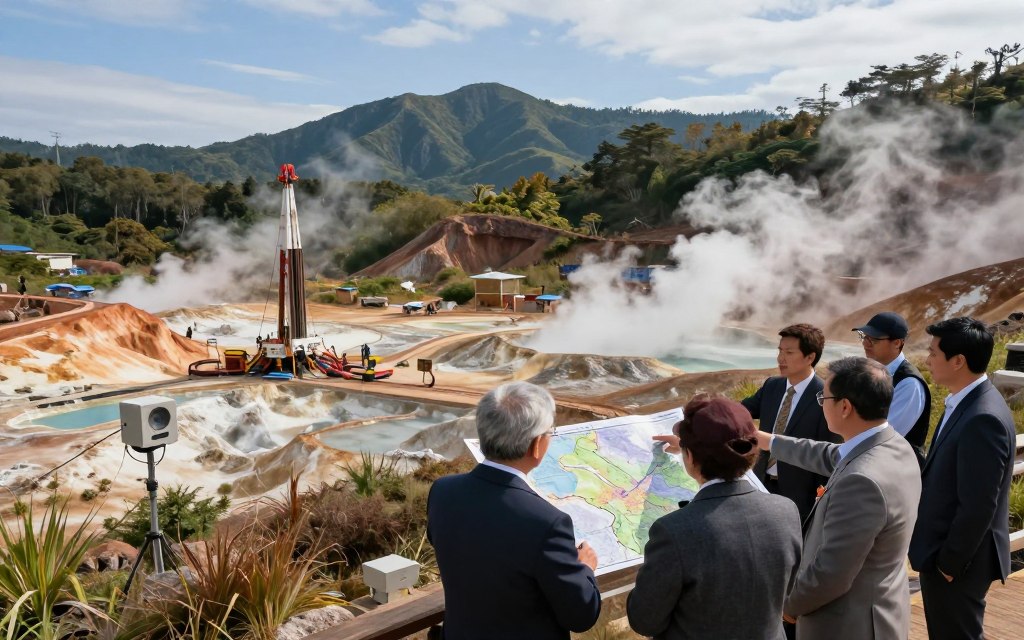
Effective geothermal development starts with careful geothermal site selection and geothermal resource assessment. Before drilling, developers must conduct thorough evaluations to identify potential geothermal reservoirs. They combine geological mapping, remote sensing, and geochemical testing.
Geological Surveys and Exploration Techniques
Geological surveys are crucial for geothermal exploration. Developers use temperature-gradient wells, seismic surveys, and magnetotelluric studies to assess subsurface conditions. “Identifying the right location is half the battle in geothermal energy,” as it significantly impacts the project’s success.
Surface indicators like hot springs, fumaroles, and altered rocks can suggest underground heat. However, these signs do not guarantee a commercially viable resource. Detailed analysis is necessary to determine the actual potential.
Temperature and Depth Requirements
Reservoir temperature and depth are critical factors in geothermal resource assessment. High-temperature resources, typically found deeper underground, can support flash or dry steam generation. Moderate-temperature resources may better suit binary plants or direct-use heating applications.
Additionally, shallow ground temperatures are ideal for geothermal heat pumps. Developers must also consider permeability and fluid availability. Efficient heat transfer to the surface is essential for successful energy production.
Regulatory and Environmental Considerations
In the United States, regulations play a vital role in geothermal project development. Developers must navigate land ownership issues, federal and state geothermal permits, and water rights. Environmental reviews ensure compliance with air-quality standards and cultural resource protections.
Community engagement is a key part of responsible site selection. Baseline monitoring and clear talks with local stakeholders can reduce risks and build support for geothermal projects.
7. Drilling and Well Construction Process
Geothermal drilling is a precise, expert task and one of the most challenging, costly stages of geothermal development. Engineers choose well locations using geological models, expected temperatures, target depths, rock strength, and fluid chemistry. These factors help optimize energy extraction.
Modern drilling technologies support this work. Crews commonly use rotary and directional drilling, high-temperature tools, advanced mud systems, and measurement-while-drilling equipment. They monitor temperature, pressure, torque, and circulation to improve safety, performance, and productive-zone detection.
After drilling reaches the desired depth, geothermal well construction begins. Workers install steel well casing and cement in stages. Casing stabilizes the borehole, isolates groundwater, prevents fluid loss, and protects the well from collapse.
Key procedures include cement integrity testing, pressure testing, and blowout prevention system installation. Wellhead equipment often uses corrosion-resistant materials for long service.
After construction, workers test the completed well for temperature, pressure, flow rate, and chemistry. This assessment determines sustainable output before the well connects to a geothermal power plant.
Enhanced geothermal systems (EGS) help in areas with poor natural permeability or inadequate fluid circulation. EGS technology can create or improve rock fractures, allowing water to move through engineered underground pathways. This method requires careful pressure management, seismic monitoring, and regulatory oversight for safety and effectiveness.
Despite better drilling technologies and subsurface models, drilling risks still strongly affect project economics. Understanding these challenges remains essential to geothermal energy’s future.
8. Environmental Benefits of Geothermal Technology
Geothermal technology stands out as a powerful ally in the fight against climate change. It provides environmental benefits for a cleaner, more sustainable energy future. Unlike fossil fuel-based power generation, geothermal plants do not burn coal, oil, or natural gas, resulting in minimal lifecycle emissions.
Emissions can vary with reservoir chemistry and plant design. Some naturally occurring gases may need monitoring or control, but geothermal energy remains a low-carbon power option. This supports the shift toward cleaner energy sources.
Compared with large energy installations, geothermal plants need less land. Geothermal facilities use wells, pipelines, turbines, and cooling equipment in a compact area. This design allows one site to provide continuous output when managed correctly.
Geothermal energy is recognized for its sustainability and steady supply. The Earth continuously produces heat, making geothermal energy a renewable geothermal resource. Manage extraction rates with pressure monitoring, fluid reinjection, and adaptive reservoir management to prevent depletion and protect future supplies.
Additionally, clean geothermal energy reduces fuel transportation and exposure to fuel-price volatility. It can provide firm power or efficient heating for buildings, improving energy security. Water use and construction-related land disturbance can occur, but sound design, monitoring, and community engagement can reduce these risks.
| Benefit | Geothermal Energy | Fossil Fuels |
|---|---|---|
| Greenhouse Gas Emissions | Low | High |
| Land Footprint | Minimal | Extensive |
| Renewability | High | Low |
| Fuel Transportation | Reduced | Increased |
In conclusion, geothermal environmental benefits make it a strong choice for sustainable energy production. Its low emissions, minimal land use, and renewable nature make it important in the global energy landscape.
9. Challenges and Limitations of Geothermal Energy
Geothermal energy challenges can slow widespread adoption. This renewable resource offers a sustainable alternative to fossil fuels, but developers face high costs, geographic limits, and induced seismicity concerns.
High Initial Capital Costs create a major barrier. Before testing a reservoir, developers must fund exploration, land preparation, drilling, and plant construction. These geothermal project costs create geothermal investment risk because a well may produce less heat or productivity than expected.
Another challenge involves geothermal resource limitations and geographic limitations. Conventional, high-temperature resources mainly occur in areas with specific geology, especially parts of the western United States. Enhanced geothermal systems and lower-temperature technologies could expand access, but they add technical complexity and costs.
Concerns about induced seismicity also create challenges. Fluid injection or hydraulic stimulation can change underground pressure and trigger small seismic events. These events are usually minor, but they raise safety concerns; baseline studies and real-time monitoring can reduce risks.
Operational issues can also complicate geothermal system management. Mineral scaling, corrosion, and falling reservoir pressure are key concerns. Permitting timelines and competition from other energy technologies also require careful resource study and responsible engineering.
In conclusion, geothermal energy challenges do not erase its potential value. Realistic project planning and risk-sharing mechanisms can address geothermal resource limitations. These steps can improve geothermal energy’s viability in the United States.
10. The Future of Geothermal Technology in the United States
The future of geothermal energy in the U.S. looks promising. The United States geothermal technology sector can support the shift to renewable energy. Strong policies and geothermal tax incentives could speed its growth.
Government Policies and Incentives help shape the future of geothermal energy. Federal tax credits, grants, and loan guarantees can reduce risks during early exploration and drilling. State incentives and utility programs provide further support.
Policies may support geothermal electricity or residential and commercial geothermal heat pumps.
Government Policies and Incentives
- Federal tax credits
- Grants and loan guarantees
- State incentives
- Utility programs
- Public-private partnerships
Moreover, technological innovations are making advanced geothermal systems possible. Research in improved subsurface imaging, high-temperature electronics, and directional drilling is crucial. This geothermal innovation supports closed-loop designs and better reservoir simulations.
It also enables projects in regions without naturally permeable, high-temperature reservoirs.
Technological Innovations and Research
- Advanced geothermal systems
- Improved subsurface imaging
- High-temperature electronics
- Directional drilling
- Closed-loop geothermal designs
Geothermal energy can do more than generate electricity. It can support grid reliability, district heating, industrial process heat, building decarbonization, and data-center cooling. Low-temperature systems and enhanced geothermal systems (EGS) can expand this technology into new regions.
Expansion into New Regions
- Low-temperature systems
- Enhanced geothermal systems (EGS)
- Closed-loop systems
- Geothermal heat pumps
Geothermal technology has a bright outlook, but wider use depends on several factors. These include lower costs, successful demonstrations, workforce development, responsible permitting, and local acceptance. Reliable geothermal output supports the U.S. goal of a resilient, lower-carbon energy infrastructure.
11. Conclusion
How does geothermal technology work? It taps heat beneath Earth’s surface to generate electricity, provide direct heating, and improve building energy efficiency. Dry steam, flash steam, and binary cycle power plants support geothermal power generation, while ground-source heat pumps show its flexibility.
The geothermal energy advantages include low operational emissions, reliable energy output, and a compact land footprint. It reduces dependence on fossil fuels and serves residential, commercial, and industrial settings. However, high initial costs and site-specific geological factors remain challenges, requiring careful planning and innovative solutions.
In a renewable energy future, geothermal technology stands out as a dependable option. Sustainable operation requires balanced extraction and reinjection to protect underground reservoir health. Advances in drilling, reservoir engineering, and heat pump technologies can improve system efficiency and viability, while geothermal energy can support a diversified clean-energy portfolio.