

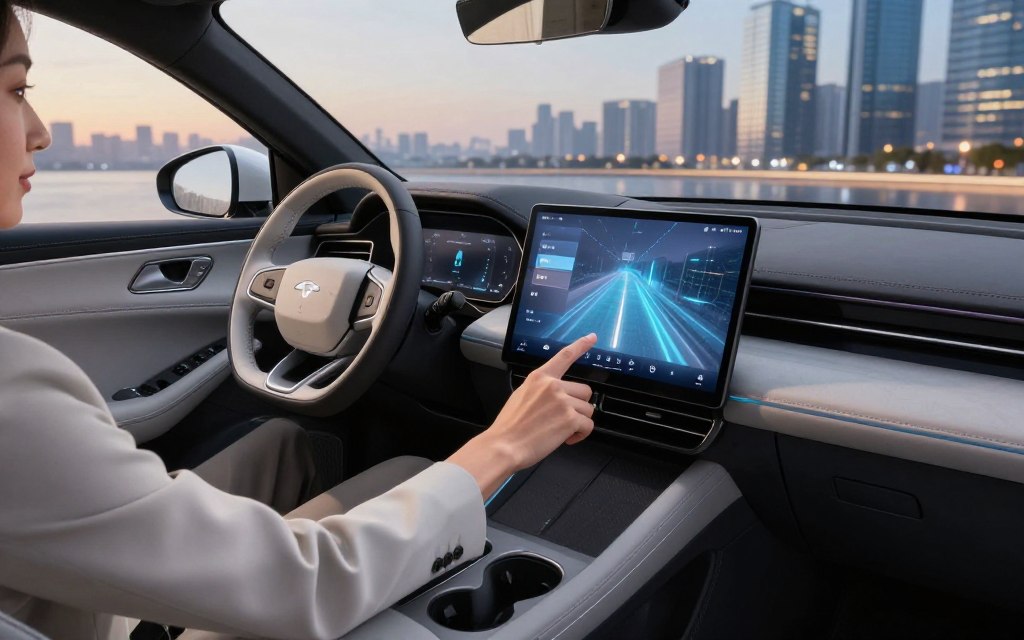
Today’s vehicles use fast-changing technology in electric performance, driving support, and safety systems. Many shoppers ask what car has the best technology, but the answer depends on personal needs. Some want connectivity and infotainment, while others prefer luxury displays or over-the-air software updates.
This article explores various categories of advanced car technology, including luxury electric sedans and premium electric SUVs. It covers the best tech features in cars, including advanced driver assistance systems and innovative safety solutions. Compare impressive specifications with usability, reliability, and total ownership costs.
The most technologically advanced cars improve the driving experience in meaningful ways. They are not simply vehicles with the most screens or sensors. Useful technology should make daily life on the road better.
Key Takeaways
- Technology in vehicles is evolving rapidly, affecting consumer choices.
- Preferences for features can vary significantly among buyers.
- Categories of advanced technology include electric performance and safety systems.
- Usability and reliability are crucial when evaluating tech features.
- The best vehicle technology enhances the overall driving experience.
What Defines Advanced Technology in Modern Cars?
Advanced automotive technology combines hardware, software, and intelligent vehicle systems. Together, these parts help cars act like connected computers on wheels. Modern cars use cameras, radar, lidar, GPS, and cloud services to improve how they work.
These vehicles can receive automotive software updates. Updates can improve performance, add features, and fix software issues without a dealership visit. This shows how technology can make vehicles more efficient and reliable while improving the user experience.
However, useful innovations differ from features made mainly for marketing gimmicks. The best advanced systems are intuitive, responsive, and accessible. They should work well in rain, snow, and areas with poor cellular coverage.
When you assess car technology, consider safety, ease of use, and system integration. Data privacy and cybersecurity matter in today’s connected car technology landscape. Electric vehicles often lead in software integration, while gasoline and hybrid models adopt advanced systems too.
“The future of driving is not just about speed; it’s about connectivity and safety.”
Key Technology Categories Worth Knowing
Advanced technology in vehicles includes many categories that shape modern driving. Understanding these car technology categories helps consumers make informed vehicle choices.
Related Posts:
- Unveiling What is IQ.Drive Technology? Your…
- How Technology Drives Economic Growth, Productivity,…

- Educational vs. Instructional Technology: What’s the…

- What are the Front End Technologies in Java? Your…

- Does Technology Isolate People The Social Impact of…

- How Does VR Technology Work Immersive Experiences Explained

One essential category is powertrain and energy technology. It includes electric motors, battery management systems, regenerative braking, and heat pumps. Fast charging and range optimization are crucial electric vehicle features that improve usability and appeal.
Next, vehicle safety technology helps protect drivers and passengers. Automatic emergency braking, blind-spot monitoring, and lane-keeping assistance are becoming standard. Adaptive headlights and driver monitoring systems also improve nighttime safety.
Infotainment and connectivity features also matter. Modern vehicles often include smartphone integration, built-in navigation, and voice assistants. Wi-Fi hotspots and digital keys add convenience while drivers travel.
Comfort and convenience systems improve the driving experience. Automated parking and four-zone climate control offer added ease. Massaging seats, ambient lighting, head-up displays, and customizable digital instrument panels add comfort and useful information.
Lastly, performance technology helps create an exciting drive. Adaptive suspension, torque vectoring, and all-wheel-drive control improve handling. Launch management and selectable drive modes let drivers customize their experience.
In conclusion, the best premium car technology package balances several categories instead of focusing on one. To learn more about advanced technologies, explore this resource on IQ Drive Technology.
What Car Has the Best Technology: Top Models Worth Considering
Today’s auto market has several technology leaders. When shoppers ask, what car has the best technology, these models offer different strengths.
The Tesla Model S Plaid focuses on software. Its fast acceleration and regular over-the-air updates appeal to many tech enthusiasts. Its minimalist interface keeps controls simple.
The Mercedes-Benz EQS puts luxury first. Its large integrated display and advanced convenience features make driving comfortable. It suits shoppers seeking luxury cars with advanced features.
For efficiency, the Lucid Air pairs long-range electric performance with a sophisticated cabin. Meanwhile, the BMW iX is a premium SUV with modern digital controls and strong electric drivability.
The Audi e-tron GT blends performance-focused engineering with a polished technology package. It remains a favorite among driving enthusiasts. The Cadillac Celestiq offers exclusivity and extensive digital customization for personal tastes.
When comparing these best high-tech cars with other top electric cars, shoppers should review technology depth and ease of use. They should compare subscription requirements, charging, software support, and local service. Each model has different strengths, so buyers should match one to their needs.
| Model | Key Features | Target Audience |
|---|---|---|
| Tesla Model S Plaid | Software updates, acceleration | Tech enthusiasts |
| Mercedes-Benz EQS | Luxury, integrated display | Luxury seekers |
| Lucid Air | Efficiency, long-range | Eco-conscious drivers |
| BMW iX | Premium SUV, digital controls | Family-oriented |
| Audi e-tron GT | Performance, polished tech | Performance enthusiasts |
| Cadillac Celestiq | Customization, exclusivity | Luxury buyers |
Luxury Electric Sedans Leading the Pack
Luxury electric sedans lead this shift by pairing advanced electric sedan technology with clean performance. Three standout models are the Tesla Model S Plaid, Mercedes-Benz EQS, and Lucid Air. Each model offers unique features that reshape luxury in the electric vehicle market.
Tesla Model S Plaid
Overview
The Tesla Model S Plaid is a high-performance luxury electric sedan known for rapid acceleration and strong electric power delivery. Its minimalist cabin supports a software-centered ownership experience. Tesla Model S Plaid technology includes impressive range and Tesla’s extensive charging network.
Pros
- Exceptional acceleration and performance
- Frequent software updates enhance features
- Large central touchscreen for intuitive controls
- Integrated navigation and charging ecosystem
Cons
- Learning curve due to extensive touchscreen controls
- Limited physical controls may not suit all drivers
- Potential software-dependent feature changes
Features
Tesla Model S Plaid technology centers on a large central touchscreen for navigation, climate settings, and most vehicle functions. Connected services provide remote controls, energy tools, and integrated navigation for Tesla’s charging ecosystem. Driver-assistance features are available, but software updates or paid options can change feature availability.
Mercedes-Benz EQS
Overview
The Mercedes-Benz EQS is Mercedes’ flagship electric sedan, focused on luxury, quietness, and comfort. Its immersive digital cabin combines premium materials with a sophisticated driving experience.
Pros
- Refined ride quality and spacious cabin
- Advanced digital displays and voice interaction
- Comprehensive driver-assistance systems available
Cons
- High purchase price compared to competitors
- Complex menus may require a learning curve
- Some technology features are limited to higher trims
Features
Mercedes-Benz EQS features include the Mercedes-Benz User Experience (MBUX) interface and an available large display layout. These tools integrate navigation, media, climate controls, vehicle settings, and personalization. Premium materials, advanced chassis technology, electric efficiency, and connected services support traditional luxury.
Lucid Air
Overview
The Lucid Air is a luxury electric sedan built for impressive efficiency and long-distance capability. It combines strong performance, a spacious cabin, and a clean digital interface for tech-savvy buyers. Lucid Air technology delivers advanced electric engineering without an overly complicated cabin design.
Pros
- Impressive long-range potential
- Efficient energy use and strong acceleration
- Roomy interior with high-quality materials
Cons
- Brand’s smaller service network compared to established manufacturers
- High pricing in upper trims may deter some buyers
- Potential learning curve with the digital interface
Features
Lucid Air technology centers on aerodynamic efficiency and sophisticated electric powertrain control. Its premium navigation and thoughtful interior packaging suit buyers seeking advanced engineering without a complicated cabin. These choices support range, comfort, and a pleasant driving experience.
Premium Electric SUVs with Cutting-Edge Tech
High-tech luxury vehicles now include premium electric SUVs with advanced features and strong performance. These models pair modern technology with roomy cabins and refined driving. Three standouts are the BMW iX, Audi e-tron GT, and Cadillac Celestiq.
BMW iX
Overview
The BMW iX is a premium electric SUV with a roomy cabin and distinctive design. It combines high-end materials, quiet operation, practical seating, and strong, responsive electric driving. BMW iX technology connects navigation, vehicle settings, media, charging information, and driver assistance through one advanced digital operating system.
Pros
- Spacious cabin with high-end materials
- Quiet operation and practical seating
- Responsive electric driving experience
Cons
- High price point
- Unusual exterior styling may not appeal to everyone
- Complex controls for some users
Features
The BMW iX offers features that improve convenience and safety. Key highlights include:
- Curved display with iDrive interface
- Voice controls and digital key functions
- Adaptive cruise control and lane assistance
- Automated parking and regenerative-braking settings
Audi e-tron GT
Overview
The Audi e-tron GT is a performance-oriented electric grand tourer with a premium cabin. Its advanced electric all-wheel-drive control supports precise handling and high-speed comfort. It is a sedan-like performance model, not an SUV, but it shows Audi’s cutting-edge electric technology.
Pros
- Athletic handling and quick acceleration
- Sophisticated chassis systems for stability
- High-quality interior with premium materials
Cons
- Lower seating position compared to SUVs
- Limited rear-seat and cargo practicality
- Potential range compromises due to performance focus
Features
Audi e-tron GT features include digital instruments, integrated infotainment, and driver assistance. They also include smartphone connectivity and fast charging.
- Digital instrumentation and integrated infotainment
- Smartphone connectivity and driver-assistance systems
- Fast-charging capability for convenience
Cadillac Celestiq
Overview
The Cadillac Celestiq is an ultra-exclusive, hand-finished electric luxury vehicle. Cadillac Celestiq technology centers on personalization, advanced displays, premium materials, and bespoke design. Its price and production category differ greatly from mainstream luxury EVs, showing future-focused technology with individualized craftsmanship.
Pros
- Extensive customization options
- Highly distinctive cabin with premium comfort
- Powerful electric performance
Cons
- Extremely high cost and limited availability
- Complex configuration process for buyers
- Higher ownership and service expenses
Features
The Cadillac Celestiq serves buyers seeking exclusivity, with features such as:
- Individualized passenger displays
- Advanced digital interfaces and smart-glass technology
- Automated parking and extensive interior personalization
| Model | Type | Performance | Customization | Price Range |
|---|---|---|---|---|
| BMW iX | SUV | Strong electric performance | Moderate | $83,200+ |
| Audi e-tron GT | Grand Tourer | Athletic handling | Low | $99,900+ |
| Cadillac Celestiq | Luxury Sedan | Powerful electric performance | High | $300,000+ |
Safety Technology Innovations Worth Knowing
Innovative car safety technology is changing how we view road safety. Modern vehicles now use active systems, not only passive protection like airbags, to help prevent crashes.
Key features include automatic emergency braking, which spots possible crashes and brakes when the driver does not react. Also, blind spot monitoring warns drivers about nearby vehicles and improves their awareness.
Other important systems include:
- Forward-collision warning
- Pedestrian and cyclist detection
- Rear cross-traffic alert
- Lane-departure warning and lane-keeping assistance
- Adaptive headlights and intersection assistance
- Traffic-sign recognition
Driver-monitoring systems can spot inattention and warn drivers when their focus fades. Parking cameras and surround-view systems improve visibility in tight spaces.
Performance can vary with the manufacturer, road conditions, and software updates. Know the difference: safety alerts warn drivers, while interventions can brake or provide steering assistance.
Before choosing a vehicle, review independent crash-test results and study the owner’s manual. Test how its systems behave, because many features alone do not guarantee safety. These advanced car safety features support responsible driving, but vehicle crash avoidance technology cannot ensure collision avoidance.
| Safety Feature | Functionality | Driver Involvement |
|---|---|---|
| Automatic Emergency Braking | Applies brakes to avoid collision | Minimal |
| Blind Spot Monitoring | Alerts driver of vehicles in blind spots | Active |
| Lane-Keeping Assistance | Helps keep vehicle centered in lane | Moderate |
| Adaptive Headlights | Adjusts beam direction based on steering | Minimal |
Infotainment and Connectivity Features That Stand Out
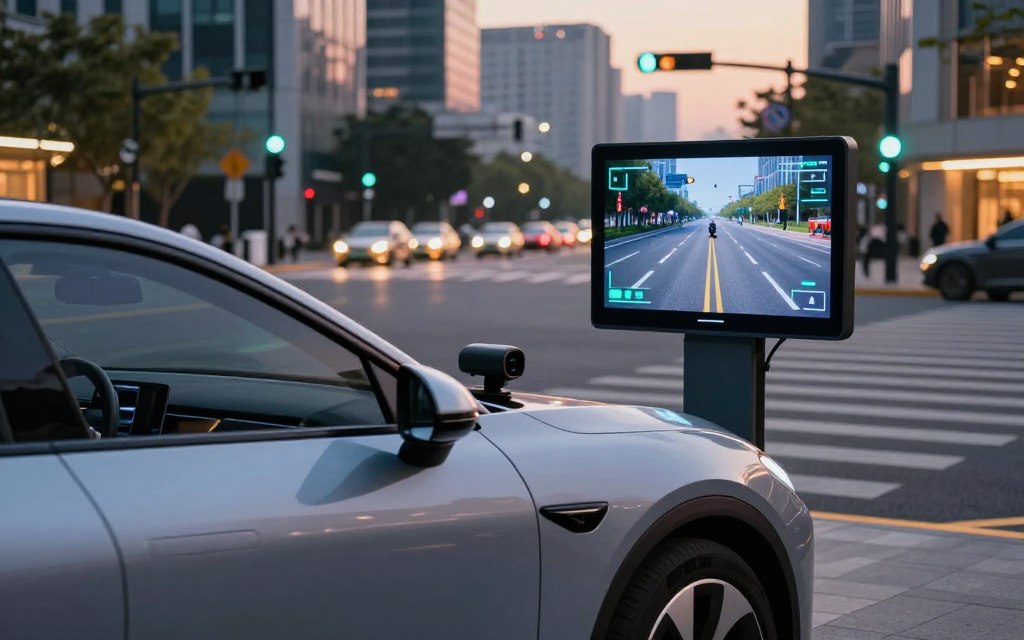
Advanced infotainment and connectivity features are changing how we use our vehicles. Modern cars have best car infotainment systems that improve entertainment and daily convenience. Large touchscreens control navigation, music, and calls, helping drivers find information quickly and safely.
One standout feature is wireless Apple CarPlay and Android Auto. They connect smartphones to the vehicle, so users can call, message, and use apps without cables. Built-in navigation, Wi-Fi hotspots, and Bluetooth audio support multiple devices for passengers.
Screen size alone does not decide quality. Responsiveness, clear menus, and glare resistance also shape the user experience. Intuitive controls can improve safety by reducing distractions while driving.
Connected car features make driving easier. Remote locking, climate preconditioning, and vehicle location services add convenience. Charging status updates and service scheduling give drivers essential information.
Another major advance is the role of over-the-air vehicle updates. They let manufacturers improve software without a dealership visit, keeping vehicle technology current. Some services may need subscriptions or cellular coverage, so check those requirements.
Cybersecurity and privacy matter in today’s digital age. Drivers should understand data collection practices and permissions linked to connected car features. Protecting accounts is vital because relying on apps for essential vehicle functions can create risks.
| Feature | Benefits | Considerations |
|---|---|---|
| Wireless Connectivity | Convenience and ease of use | May require strong cellular signal |
| Over-the-Air Updates | Keep software current without visits | Some updates may require subscriptions |
| Connected Car Features | Enhanced convenience and control | Privacy concerns with data collection |
Driver Assistance and Autonomous Driving Capabilities
Advanced driver assistance systems are changing driving, with features that improve safety and comfort. They support drivers with many tasks but cannot replace careful attention. Every car buyer should understand their abilities and limits.
Many vehicles now offer features that support safer travel and reflect advances in autonomous driving technology:
- Adaptive Cruise Control: This system automatically adjusts the vehicle’s speed to maintain a safe distance from the car ahead.
- Lane-Centering Assistance: It helps keep the vehicle centered in its lane, providing gentle steering corrections as needed.
- Traffic-Jam Assistance: This feature can manage speed and steering in slow-moving traffic, reducing driver fatigue.
- Hands-Free Highway Driving: Some systems allow for hands-free operation on highways, but drivers must remain alert.
- Automated Lane Changes: This feature can assist in changing lanes safely when activated by the driver.
- Navigation-Assisted Driving: It uses mapping data to enhance route efficiency and safety.
- Automated Parking: This system can help park the vehicle with minimal driver input.
These systems combine cameras, radar, mapping data, GPS, and onboard computing to manage selected driving tasks effectively. Most are classified as Level 2 driver assistance, meaning human drivers remain responsible for monitoring the road. They must be ready to take control at any moment.
Driver-monitoring cameras and steering-wheel sensors help check that drivers stay engaged. Hands-free features may sound appealing, but they do not permit reading, sleeping, or phone use. Drivers must watch road conditions and nearby surroundings.
When evaluating systems such as adaptive cruise control, consider how easy they are to use. Look for smooth operation, reliable lane recognition, and strong responses near motorcycles and construction zones. Check merging performance and warning quality, then test each feature legally and safely before relying on it.
How to Evaluate Advanced Technology When Buying a Car
To learn how to compare car technology, consider your driving needs before making an informed purchase. Review your daily commute, highway use, and winter driving. If you have a family, consider transportation needs, road-trip frequency, parking conditions, and home-charging access for an electric vehicle.
This car technology buying guide helps you evaluate driver assistance features. Confirm whether desired features are standard, optional, or limited to certain trims; some may require subscriptions or future software updates. At the dealership, test the touchscreen, voice controls, navigation, phone pairing, climate controls, driver assistance, parking cameras, and seat adjustments.
Use this electric vehicle technology checklist to investigate real-world electric range and charging speed. Learn about charging-network access, battery warranty, and software update policies. Also, consider service locations, insurance costs, and replacement expenses.
It is vital to compare independent safety results and read owner feedback about software bugs and sensor performance.
Finally, assess the technology’s physical usability. A distracting, slow, or confusing system can hinder you. Prioritize dependable features that improve safety, comfort, and convenience over flashy technology you may rarely use.
Conclusion
To choose a high-tech car, buyers should first consider their personal priorities. The best technology in a car depends on which features matter most to each buyer. The Tesla Model S Plaid leads in software integration and impressive performance. The Mercedes-Benz EQS suits buyers who value luxury and advanced digital features. The Lucid Air attracts buyers focused on efficiency and range, while the BMW iX offers a premium electric SUV experience.
Performance enthusiasts may prefer the Audi e-tron GT. Buyers seeking exclusivity might consider the Cadillac Celestiq. Advanced technology means more than flashy screens and acceleration numbers. It also includes effective safety systems, intuitive infotainment, and reliable connectivity. Useful driver assistance, efficient charging solutions, and strong cybersecurity matter just as much.
When studying the future of automotive technology, assess real-world usability, standard equipment, service coverage, and ownership costs. Your personal driving habits should guide your decision too. The most advanced vehicles are not always those with the most features. The best choices provide meaningful, reliable, understandable technology throughout everyday ownership. For a closer look at some of the most advanced vehicles, visit this resource.
 Marcin Wieclaw